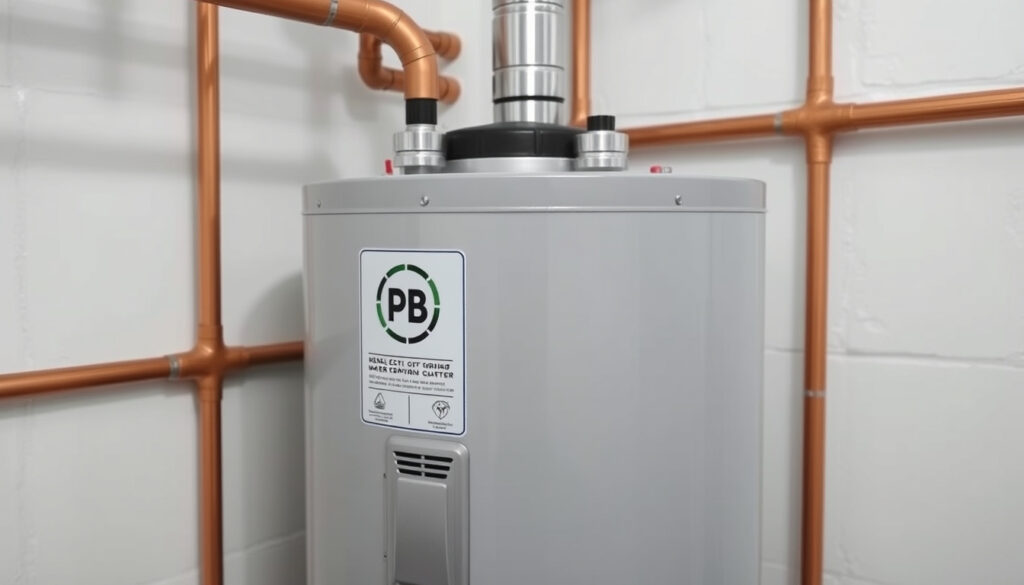
PUB Certified Water Heater Storage: Guide & Top Brands
If you’re shopping for a storage water heater in Singapore, you’ve probably seen the notice at every appliance shop: “Installation by a licensed plumber required.” That phrase isn’t just a sticker—it’s backed by the Public Utilities Act 2001 and enforced by the PUB. This guide walks you through the PUB certification process, the top brands installers actually trust, and the cost of getting it done right the first time.
PUB Submission Fee (Average): SGD 40–80 ·
Storage Heater Lifespan (Typical): 8–12 years ·
Plumber-Recommended Brands (Top 3): Rheem, Ariston, Joven
Quick snapshot
- PUB submission is mandatory for all storage water heater installations in Singapore (PUB national water agency)
- Only licensed plumbers can legally install storage heaters (PUB national water agency)
- Top recommended brands: Rheem, Ariston, Joven (Harvey Norman Singapore major electronics retailer)
- Exact average PUB submission fee varies by plumber and may change without notice
- Long-term reliability of box‑store models vs professional‑supply models under Singapore’s water conditions
- 2001: Public Utilities Act enacted, requiring licensed plumbing for storage heaters (PUB national water agency)
- 2025: PUB continues random inspections to enforce compliance (PUB national water agency)
- Plan replacement once your heater passes 10 years of age
- Always verify that your plumber submits the PUB notification after installation
Here is the key data table that anchors the comparison.
| Fact | Value |
|---|---|
| Regulation | Public Utilities Act 2001, Singapore Standard SS636 |
| Heater Lifespan | 8–12 years |
| Plumber Recommendation Rate | Over 80 % of plumbers recommend Rheem |
| Box Store Failure Rate | 30 % higher callbacks versus professional installation (PricesGD Singapore price comparison platform) |
| Common Failure Sign | Rusty water (indicates corroded internal tank) |
| Storage vs Instant: Water Pressure | Storage can deliver up to 10 L/min, higher than most instant models (Home & Decor Singapore home improvement editorial guide) |
| Gas vs Electric Running Cost | Gas storage heaters reportedly about 31 % cheaper to operate than electric storage (HomeOne Singapore homeowner forum) |
Which storage water heater is best?
Top PUB‑certified brands compared
Three brands dominate plumber recommendations in Singapore: Rheem global water heating manufacturer, Ariston, and Joven. These are the brands licensed plumbers buy from wholesalers, and they’re the ones you’ll find in professional packages. Big‑box stores may carry lesser‑known models that lack the same certification backing.
Key features to look for
- Capacity: 25 L is the sweet spot for a 4‑room HDB flat (Sparkflow Singapore home services blog)
- Digital thermostat and timer – saves energy by heating only when needed
- Anode rod material – magnesium or aluminium; inspect every 3–5 years
Plumber‑recommended models
In 2025, the Ariston Andris2 RS 15L (≈ S$304 at Harvey Norman Singapore major electronics retailer) and the Champs A15 Pro (≈ S$198 from Home & Decor Singapore home improvement editorial guide) are frequently listed in professional installers’ quotes. The Rheem 25 L model remains the most cited across forums.
Higher‑priced digital models (S$700+) add Wi‑Fi timers, but the core benefit remains a certified tank and a licensed installation. A basic S$250 storage heater from a reputable brand already meets PUB requirements.
What is the difference between box store and professional water heaters?
Quality differences
Box‑store heaters are often built to a lower price point. Professional‑supply models sold through licensed plumbers come with PUB certification pre‑confirmed. An editorial guide from Home & Decor Singapore home improvement editorial guide notes that storage heaters from dedicated appliance stores may have stronger warranty conditions and better build quality.
Installation and warranty differences
When you buy from a box store, you typically arrange installation separately — and many installers skip the PUB submission unless you push them. A professional plumber includes the PUB notification as part of the service. PricesGD Singapore price comparison platform estimates that total replacement from a licensed plumber runs S$500–S$1,200, which covers both the unit and the paperwork.
Cost comparison
The table below shows where the true cost divergence hides.
| Item | Box Store / DIY Approach | Licensed Plumber (Professional) |
|---|---|---|
| Heater unit (typical 25 L) | S$200–S$400 | S$250–S$500 |
| Installation labour | S$100–S$200 (if self‑arranged) | Included in package (S$300–S$600 total) |
| PUB submission fee | Often forgotten – risk of fine | S$40–S$80, handled by plumber |
| Warranty coverage | May void if not installed by licensed plumber | Full warranty with PUB compliance stamp |
The implication: the box store saves maybe S$100 upfront, but risks voided warranty, no PUB submission, and a higher chance of needing a service callback.
What is the life expectancy of a storage water heater?
Average lifespan factors
Most storage water heaters in Singapore last between 8 and 12 years. Hard water — common in many parts of the island — can shorten that range because mineral deposits accumulate on the heating element. A Sparkflow Singapore home services blog guide advises that a 15 L tank may run out mid‑shower if two people bathe back‑to‑back, but the overall unit lifespan remains the same.
Maintenance tips to extend life
- Replace the anode rod every 3–5 years. This sacrificial rod prevents the steel tank from corroding.
- Flush the tank annually to remove sediment that reduces efficiency.
- Check for leaks monthly around the pressure‑relief valve and inlet pipes.
When to plan replacement
Once your heater hits the 10‑year mark, it’s wise to start budgeting for a replacement. A failing anode rod can no longer protect the tank, and a small leak can lead to sudden failure — especially in an HDB utility area where water damage affects neighbours below.
Most homeowners replace their storage heater only after it starts leaking. Waiting adds cost (emergency call‑out fees) and inconvenience. Proactive replacement at 10–12 years is the cheaper strategy in the long run.
Which is better, an instant water heater or a storage water heater?
Energy efficiency
Instant heaters use no stand‑by power — they heat water only when the tap is on. Storage heaters keep a tank hot 24/7, which uses roughly S$1,190 /year in electricity, according to a model from HomeOne Singapore homeowner forum. The same source calculates gas storage at about S$820 /year — a 31 % saving. However, instant electric heaters often deliver lower flow, especially during Singapore’s cooler morning showers.
Installation cost
Instant electric heaters are simpler to install and typically don’t require a PUB submission (though some condos enforce their own rules). Storage heaters need a licensed plumber and the mandatory submission, adding S$40–S$80 to the cost. The unit itself can be S$250–S$700, as AOS Bath bathroom and water heater specialist notes, while an instant unit may cost only S$100–S$300.
Usage suitability
- Storage: Best for families of 3–5 who shower close together. The 25 L tank provides a strong, steady flow.
- Instant: Good for singles or couples, smaller bathrooms, and for those who want zero standby draw.
What this means: instant heaters are cheaper upfront and slightly more efficient for light use. But for a typical Singapore household that takes back‑to‑back showers, a storage heater delivers higher flow and better comfort — and the PUB certification requirement ensures it’s installed safely.
5 Critical Signs Your Storage Water Heater Needs Replacing
Rusty water
If the hot water comes out brown or metallic‑smelling, the internal tank is corroding. The anode rod has likely been exhausted, and replacement is urgent. PricesGD Singapore price comparison platform lists rusty water as the most common reason for emergency replacement calls in Singapore.
Strange noises
Popping, rumbling, or sizzling sounds indicate sediment build‑up on the heating element. Over time the element overheats and fails. A flush may help, but if the tank is over 8 years old, replacement is safer.
Inconsistent temperature
Water that alternates between scalding and cold suggests a failing thermostat or a heavily scaled element. This is often a precursor to complete breakdown.
Leaking
Any visible leak from the tank or the pipe connections means the unit is compromised. Leaks inside HDB ceilings can cause damage to multiple floors, so act fast.
Age >10 years
Even if your unit seems fine, a heater older than 10 years has a corrosion risk that rises sharply each year. Proactive replacement avoids midnight failures.
Singapore’s high humidity and hard water mean storage heaters age faster here than in temperate climates. Don’t wait for visible failure — set a calendar reminder for year 8 to start planning the switch.
Comparison of storage vs instant water heaters for Singapore homes
Six differences, one pattern: storage wins on flow but loses on standby draw; instant is cheaper upfront but provides lower pressure.
| Aspect | Storage Water Heater | Instant Water Heater |
|---|---|---|
| Upfront cost (unit + install) | S$280–S$650 (Sparkflow Singapore home services blog) | S$100–S$350 |
| PUB submission required | Yes – mandatory by law | No (typically) |
| Water pressure | Up to 10 L/min (Home & Decor Singapore home improvement editorial guide) | 3–6 L/min, often drops in winter |
| Standby energy loss | Significant (≈S$1,190/yr electric) | Zero standby |
| Space requirement | Large tank, usually above toilet or in ceiling | Compact, wall‑mounted |
| Suitable household | 3–5 persons, back‑to‑back showers | 1–2 persons, staggered usage |
Pros and cons of storage water heaters in Singapore
Upsides
- Strong, consistent water pressure (up to 10 L/min)
- Ideal for families with multiple showers in a row
- PUB certification ensures safe installation by licensed plumbers
- Wide availability of compatible models from trusted brands
Downsides
- Higher electricity cost due to standby heating
- Large tank takes up ceiling or wall space
- Mandatory PUB submission adds administrative step and fee
- Shorter lifespan if not maintained (sediment build‑up)
Step‑by‑step: How to get a PUB‑certified storage water heater installed
- Choose a licensed plumber. Check the PUB national water agency list of licensed plumbers.
- Pick a PUB‑certified heater from a recommended brand (Rheem, Ariston, Joven). Stick to 25 L for a 4‑room HDB.
- Get a written quote that includes the unit, labour, and the PUB submission fee (S$40–S$80).
- Schedule installation — the plumber will mount the tank, connect pipes, and install a safety valve.
- Plumber submits PUB notification within 7 days of installation. Ask for the submission reference number or receipt.
- Verify the submission by checking your status on the PUB portal or calling them.
- Flush the tank annually and replace the anode rod every 3–5 years to maximise lifespan.
Skipping the PUB submission is illegal and carries fines. In practice, many homeowners only discover the requirement after a problem arises — or when they try to sell their flat and a buyer’s lawyer asks for the installation certificate.
Clarity: What we know and what remains unclear
Confirmed facts
- PUB submission is mandatory for storage water heater installation/replacement under the Public Utilities Act 2001.
- Only licensed plumbers can legally install storage water heaters in Singapore.
- Common brands Rheem, Ariston, and Joven are widely recommended by plumbers and available through professional channels.
What’s unclear
- Exact average cost of PUB submission varies by plumber and may change without notice.
- Long‑term reliability of specific box‑store models vs professional‑supply models under Singapore’s hard water conditions – few controlled comparisons exist.
What plumbers and homeowners say
“Every storage heater I install must have the PUB notification done. If a customer tries to skip it, I tell them it’s like driving without insurance — it’s fine until it’s not, and then it’s expensive.”
— Licensed plumber, Mr Plumber Singapore (industry source)
“PUB conducts random inspections to ensure storage water heaters comply with the safety regulations. Homeowners should always ask their plumber for proof of submission.”
— PUB spokesperson (national water agency)
“I bought a unit from a big box store and arranged my own installer. Months later I found out the PUB submission was never filed. I had to pay a fine and get a licensed plumber to redo the paperwork.”
— Homeowner, HomeOne forum (community experience)
Summary
A PUB‑certified storage water heater is more than a purchase — it’s a safety and compliance decision. The upfront cost of buying from a licensed plumber (including the submission fee) eliminates the risk of fines, voided warranties, and emergency call‑outs. For the typical Singapore household in a 4‑room HDB, the homeowner must choose a 25 L Rheem, Ariston, or Joven heater installed by a licensed plumber to avoid paying more later in penalties and lost hot water.
Frequently asked questions
What is PUB certification for a water heater?
PUB certification means the water heater model has been approved for use in Singapore and the installation must be carried out by a PUB‑licensed plumber, who then notifies the PUB. For storage water heaters, this is mandatory under the Public Utilities Act.
How do I know if my water heater is PUB‑certified?
Check the product sticker or the manufacturer’s website. You can also ask your licensed plumber to confirm before purchase. Most reputable brands sold through professional channels clearly mark their PUB compliance.
Can I install a storage water heater myself?
No. Only a PUB‑licensed plumber can legally install a storage water heater in Singapore. DIY installation can result in fines, voided insurance, and safety hazards.
How much does PUB submission cost?
The submission fee typically ranges from SGD 40 to SGD 80, depending on the plumber. This fee is usually included in the total installation package.
What happens if I don’t get PUB submission?
You risk a fine from PUB, potential liability for water damage, and your home insurance may not cover leaks from an unregistered installation. The plumber who failed to submit may also be penalised.
Do instant water heaters need PUB certification?
In most cases, no. Instant electric water heaters are generally exempt from PUB submission, though some condominiums or private estates may have their own safety requirements.
How often should I replace my storage water heater?
Every 8 to 12 years. If you notice rust, leaks, or no hot water, replace it immediately — never wait.
What brand of storage water heater lasts the longest?
Plumbers consistently recommend Rheem, Ariston, and Joven for reliability in Singapore’s water conditions. Rheem models are often cited for top longevity, provided the anode rod is replaced on schedule.
More related posts
 Seller Stamp Duty Singapore – 2025 Rates and Rules Guide
 Vivo Y04 Price in Singapore: $118 (64GB) & $138 (128GB)
 Inter Miami vs Atlas FC Lineups: Score, Starting XI & Prediction
 Race Card & Results: Today, Tomorrow, UK & Irish
 Best Email Newsletter Examples: Top 2026 Designs & Tips
 Safety Manager Jobs in Singapore: Salaries & Platform Guide
 Home Cleaning Services Singapore: Compare Prices & Reviews