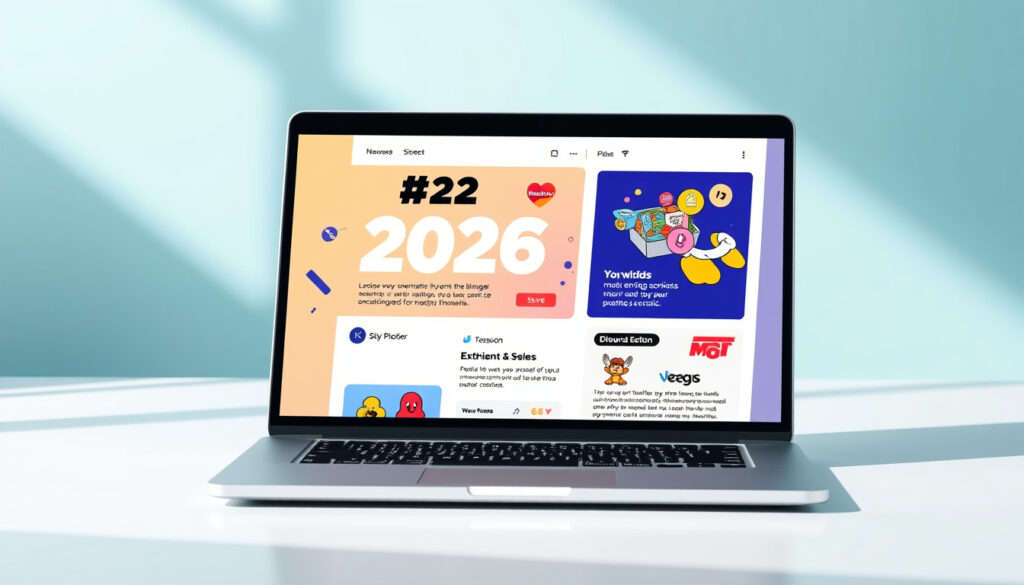
Best Email Newsletter Examples: Top 2026 Designs & Tips
You’ve probably deleted five newsletters before finishing your morning coffee. The problem isn’t the content — it’s that most emails don’t know how to earn attention. This guide walks through the best email newsletter examples from 2026, using breakdowns from Twilio and Mailchimp to show what actually works. By the end, you’ll know exactly which design choices separate a must-open from a one-click trash.
ReallyGoodEmails Collection: 2,872 newsletter examples ·
Twilio 2026 Examples: 20 standout newsletters ·
Mailchimp Format Tips: 13 formatting tips
Quick snapshot
- Twilio highlights 20 examples prioritizing value in digestible formats (Twilio Blog)
- Really Good Emails curates 2,872 newsletter examples and designs (Really Good Emails)
- Exact 5 C’s definitions vary across industry sources
- Direct performance metrics (CTR, conversion) for specific examples remain proprietary
- Mobile-first design standard accelerates through 2026 (beehiiv Blog)
- AI-optimized personalization features become baseline expectation (beehiiv Blog)
- Interactive email features (quizzes, games) will gain traction per beehiiv’s 2026 roadmap
- Monetization-aware templates with native ad integration expand (beehiiv Blog)
What is a good email newsletter?
Key characteristics
A good email newsletter earns its place in an overcrowded inbox. Twilio’s analysis of their 20 must-open examples reveals the top performers share three traits: tailored content that speaks directly to the reader, simple layouts that balance images and text, and scannable headlines that deliver value in seconds (Twilio Blog). Beehiiv’s 11 design trends for 2026 reinforce this, emphasizing clean layouts and sharp messaging as the foundation of best-performing newsletters (beehiiv Blog).
Examples of effective ones
The newsletters that break through the noise share a common DNA. Morning Brew distills daily business news into bite-sized insights. The New York Times Cooking delivers recipes and culinary culture with impeccable photography. Robinhood Snacks turns financial news into three-sentence reads with a distinct personality. These aren’t just well-written — they’re engineered for how people actually read email in 2026: fast, on mobile, with one eye on the delete button.
If your email isn’t scannable in 5 seconds on a phone, it’s already behind. Beehiiv identifies mobile-first, AI-optimized design as the biggest 2026 shift for newsletters that want to stay relevant (beehiiv Blog).
How to make an email newsletter look good?
Design principles
Great newsletter design isn’t about flash — it’s about clarity. Mobile-first design in 2026 means short paragraphs (2–3 lines max), larger tap-friendly buttons, and stacked layouts that adapt to any screen (beehiiv Blog). Mailjet recommends hard table designs for structured clarity when newsletters contain multiple sections, ensuring each chunk of content gets its moment without visual clutter (Mailjet Blog). The fastest-growing newsletters share a community-driven visual identity: signature color palettes and recurring layout structures that make them instantly recognizable.
Visual elements
Images belong in newsletters, but they need purpose. Acumbamail’s 9 email design trends for 2026 highlight striking headlines and text overlaid on images as a winning combination (Acumbamail Blog). Superside’s analysis of 31 best email design examples shows the top performers use visuals to support the story, not drown it (Superside Blog). Muzli curates 60+ newsletter examples specifically for UI/UX inspiration, demonstrating how typography, spacing, and visual hierarchy work together in high-performing emails (Muzli).
The implication: Visual intent matters more than visual volume — one purposeful image beats five decorative ones.
Which format is best for email newsletters?
Top formats
The “best” format depends entirely on your goal. Mailchimp’s official resources suggest the Minimal template for text-focused newsletters where words carry the weight, and the Gallery template for graphics-heavy editions where visuals do the heavy lifting (Mailchimp Resources). SendX provides 37+ Mailchimp newsletter templates spanning corporate announcements to conversion-focused promotions, adaptable for 2026 campaigns with the right customization (SendX Blog). Twilio Sendgrid’s Weekly Newsletter Template uses an image-heavy structure suited for promotions and events, proving that the same format can serve different purposes.
Mailchimp tips
Mailchimp’s best practices center on personalization and scannability. Their official guidance recommends using audience segmentation to deliver relevant content to the right readers, combined with concise scannable headlines that communicate value instantly (Mailchimp Resources). The platform offers over 130 email templates for various purposes, all available through free trials that let creators experiment before committing (Mailchimp Features). Their holiday newsletter templates use festive designs with seasonal imagery and promotions, demonstrating how occasion-based formatting can boost engagement.
Static emails and interactive emails serve different masters. Interactive formats with quizzes and games outperform on click-through rate and dwell time, but require more development effort. For creators prioritizing speed and simplicity, a well-executed static email with strong copy still wins in 2026.
What are the best email newsletter examples?
Top 2026 picks
Twilio’s 2026 list of 20 non-sucky email newsletter examples prioritizes value over consistency — newsletters that readers actively anticipate rather than tolerate. Their analysis shows the top performers use digest formats that respect the reader’s time while delivering information in a sequence that builds understanding (Twilio Blog). Superside offers 21 free newsletter templates for 2026 including Creative Boost by MailBakery and Twilio Sendgrid’s Weekly Newsletter, giving creators starting points that already incorporate proven design patterns (Superside Blog).
Company and creative examples
Morning Brew remains the gold standard for business newsletters — tight writing, consistent tone, and a clear value proposition. The New York Times Cooking demonstrates how lifestyle newsletters can combine utility (recipes) with aspiration (culinary culture). Robinhood Snacks shows that financial content doesn’t have to be dense, using a casual voice and three-sentence format to make money news accessible. For those seeking inspiration across categories, Really Good Emails’ collection of 2,872 newsletter examples provides an exhaustive gallery organized by industry and design style (Really Good Emails).
The catch: The most celebrated newsletters aren’t necessarily the most monetized — creator-focused platforms like Beehiiv are shifting that calculus.
What is the best email newsletter service?
Top platforms
Mailchimp leads the market with 130+ email templates and a mature platform that handles everything from design to delivery (Mailchimp Features). Beehiiv has emerged as the creator-focused alternative, with 11 design trends baked into their platform specifically for newsletter monetization and audience growth (beehiiv Blog). Twilio Sendgrid serves enterprise needs with robust infrastructure and the Sendgrid Weekly Newsletter Template for promotional campaigns.
2026 rankings
The landscape has shifted toward platforms that support interactive and AI-personalized content. Hoppy Copy promotes AI newsletter templates focusing on value-first storytelling and case studies, reflecting the growing demand for AI-assisted content creation (Hoppy Copy Blog). For design-focused creators, MailerLite’s design gallery showcases 100+ email designs that demonstrate what’s possible within their platform’s constraints. The best platform for you depends on whether you prioritize design flexibility, AI features, monetization tools, or pricing simplicity.
How to create an effective email newsletter (steps)
Building a newsletter that people actually open takes a repeatable process. Here’s how the top performers approach it:
- Define your value proposition. Before touching a template, answer this: Why should someone spend time on your email instead of deleting it? The best newsletters have a sharp identity that readers can articulate.
- Choose a format that matches your content. Text-heavy newsletters need the Minimal template approach — clean typography, no visual noise. Visual content demands the Gallery treatment with images doing heavy lifting. Hybrid content requires careful layout balance.
- Design mobile-first from the start. Don’t build for desktop and hope it scales. Start with a phone layout: 2–3 line paragraphs, large tap targets, stacked sections. Test on actual devices, not just preview modes.
- Write scannable headlines that deliver. Each section headline should communicate value independently. A reader skimming should understand your entire email just from headlines and subheads.
- Add personalization strategically. Use audience segmentation to deliver relevant content blocks, dynamic recommendations, and targeted CTAs. Even basic personalization (greeting by first name) outperforms generic sends.
- Separate sponsor content clearly. Monetization-aware designs in 2026 explicitly mark sponsored sections and integrate ads natively rather than hiding them or treating them identically to editorial content.
- Test, send, iterate. Open rates tell you if your subject line works. Click-through tells you if your content resonates. Use these metrics to refine your approach quarterly.
Consistency builds recall. Recall builds trust. Trust builds retention. The newsletters that thrive in 2026 aren’t the flashiest — they’re the most reliable at delivering on a promise.
Consistency builds recall. Recall builds trust. Trust builds retention. — beehiiv’s email marketing team
Responsive is outdated. In 2026, top newsletters are designed mobile-first from the start. — beehiiv’s email marketing team
Summary
The best email newsletter examples in 2026 share a common thread: they respect the reader’s time while delivering genuine value. Whether you lean on Twilio’s 20 must-open examples or Mailchimp’s 130+ templates, the fundamentals haven’t changed — clear messaging, mobile-first design, and personalization that feels helpful rather than invasive. For creators deciding which platforms and approaches to adopt, the path forward is straightforward: start with a format that matches your content type, design for the phone first, and measure what matters. Skip the decorative flourishes that look good in screenshots but slow down load times. Your readers will notice the difference in your open rates.
Related reading: Best Apps and Tools · Best Forex Nominations
Alongside Morning Brew and Twilio, top picks and success insights showcase exceptional 2024 formats that inspire standout newsletter designs and strategies.
Frequently asked questions
What are the 5 C’s of email?
The 5 C’s of email typically refer to Clarity, Conciseness, Correctness, Coherence, and Courtesy. Top newsletters applying these principles use clear scannable headlines, concise paragraphs, correct information, coherent structure, and courteous tone that respects reader time. Sources vary slightly on exact definitions, but the core concept remains: emails that communicate efficiently outperform verbose alternatives.
What are the 8 basic parts of a newsletter?
The 8 basic parts typically include: header/branding, subject line, preview text, introduction, main content sections, call-to-action, footer with contact/subscription info, and social links. Mailchimp’s template library demonstrates these components across their 130+ email templates, with variations for different newsletter types and goals.
What is the 3 email rule?
The 3 email rule generally suggests that if you can’t communicate your message in three emails or fewer, you should reconsider your communication strategy. For newsletters specifically, it means focusing content to deliver core value in a single send, with follow-ups reserved for breaking news or major updates rather than regular content delivery.
What are newsletter examples for students?
Student-focused newsletters typically include academic updates, campus news, club activities, and career resources. School newsletters often use simpler formats with clear sections for different audiences (students, parents, faculty) and more visual elements to maintain engagement with younger readers. University alumni newsletters follow a different pattern, emphasizing community connection and institutional updates.
What are best company newsletters examples?
The best company newsletters balance brand voice with subscriber value. Morning Brew exemplifies B2C business newsletters. For B2B, industry-specific digests that curate relevant news work well. Robinhood Snacks shows how fintech companies can use casual, snackable formats. The key is consistency in voice and clear value delivery that subscribers can’t get elsewhere.
What are creative newsletter examples?
Creative newsletters push design boundaries with bold typography, interactive elements, unique layouts, and distinctive brand voices. The New York Times Cooking combines utility with visual storytelling. Beehiiv’s featured creators often showcase experimental formats. Really Good Emails’ gallery of 2,872 examples includes many creative outliers worth studying for inspiration.
What are monthly newsletter examples?
Monthly newsletters typically use a digest format with multiple content sections, less urgency than weekly sends, and more in-depth analysis. Best practices include a consistent template that readers recognize, recap-style content that provides value even if readers missed earlier updates, and clear organization that allows scanning for most-relevant sections.
More related posts
 Burnley vs Man United: TV, Kick-Off, Live Stream & H2H
 1500 USD to SGD – Live Rate Chart and Trends
 J&T Express Tracking: QR Code, Websites & Mobile Apps
 What a Beautiful Name Chords – Guitar Piano Worship Guide
 Wolves vs Man United: H2H, Results, TV & Predictions
 Good Afternoon in Chinese: Xiàwǔ Hǎo & Cantonese Guide
 What Is a Soft Fork? Definition and Bitcoin Examples
 Kim Seon-ho Movies and TV Shows: Complete Guide (2025)