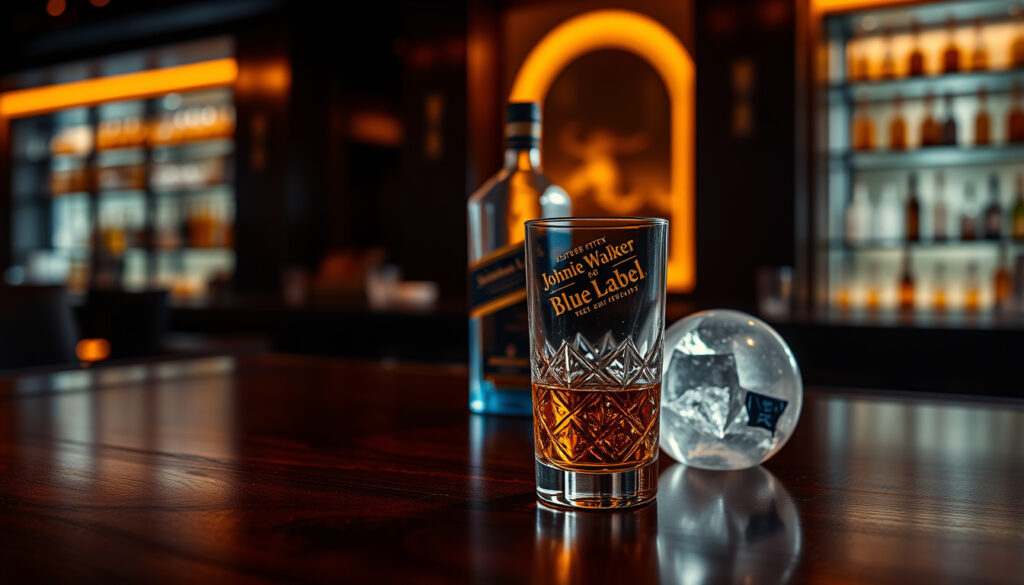
Johnnie Walker Blue Label: Why So Expensive? Comparison & Guide
Few bottles of Scotch divide opinion quite like Johnnie Walker Blue Label. It’s priced like a collector’s item, yet carries no age statement — a paradox that keeps whisky drinkers debating its worth. According to a 2025 Forbes explainer (business publication), only one in ten thousand casks meets the standard for Blue Label. What follows is a fact-based look at what’s actually inside the bottle, how it compares to more affordable options like Black Label, and whether the premium price tag holds up to scrutiny.
Average Price (750ml): $200 – $250 · Alcohol by Volume: 40% · Type: Blended Scotch Whisky · Age Statement: None · Origin: Scotland · Average User Rating: 4.5 / 5
Quick snapshot
- Blue Label is a premium blend with no age statement (Wikipedia (community encyclopedia))
- Black Label is a 12-year-old blended Scotch (The Bar by Diageo (brand-owned resource))
- Blue Label is a product of Diageo (Wikipedia)
- Exact age of each component whisky is proprietary (Wikipedia)
- Whether the price is justified is subjective — no consensus (Wikipedia)
- Exact production volume is not public (Wikipedia)
- Blue Label debuted in 1992 as Johnnie Walker Oldest (Wikipedia)
- 1992: First released as Johnnie Walker Oldest
- 1994: Renamed Johnnie Walker Blue Label
- Diageo continues to release limited-edition Blue Label bottlings
- Blue Label remains a top-tier gift whisky in premium markets
Here is a quick overview of the official specs for Blue Label.
| Attribute | Value |
|---|---|
| Type | Blended Scotch Whisky |
| ABV | 40% |
| Price Range | $200 – $250 |
| Age Statement | None |
| Origin | Scotland |
| Rating | 4.5/5 |
Why is Johnnie Walker Blue so expensive?
The price of Blue Label — often $200–$250 for a 750ml bottle — places it far above most blended Scotches. A key reason is the selection process. According to Forbes (business publication), Diageo claims that only one in ten thousand casks is deemed worthy of Blue Label. That rarity drives cost.
What makes Johnnie Walker Blue Label rare?
The blend uses whiskies from hand-selected casks, some from closed distilleries that no longer produce. Even though no age statement appears on the bottle, the component whiskies are reportedly aged up to 60 years — a detail the brand uses to justify the premium.
How are the whiskies selected?
Master blenders taste thousands of casks each year. Only those with the desired smooth, complex profile make the cut. Forbes notes that the selection is stringent enough that batches can vary slightly, adding to the “limited” feel.
Is the packaging a factor in the price?
Yes. Blue Label bottles are often serial-numbered and come in a premium gift box, as noted by Wikipedia. The packaging alone — a heavy glass bottle, embossed label, and lined case — adds to the cost. But the whisky inside still accounts for the bulk of the price.
Every dollar you spend on Blue Label beyond $50 is paying for rarity and brand, not age. For the same $200, you can buy a 12- or 15-year single malt with a known provenance.
The implication: Blue Label’s value is intentionally opaque, wrapped in sensory luxury.
Which is better, Black Label or Blue Label?
One question dominates whisky forums: is Blue Label worth five times the price of Black Label? The answer depends on your palate and purpose. Six key contrasts tell the story.
Six attributes, one pattern: Black Label delivers age-stated quality at a working price; Blue Label trades age transparency for smoothness and exclusivity.
| Attribute | Johnnie Walker Black Label | Johnnie Walker Blue Label |
|---|---|---|
| Age Statement | 12 years (The Bar by Diageo) | None (Wikipedia) |
| ABV | 40% (Whisky Unplugged (review blog)) | 40% (Whisky Unplugged) |
| Typical Price (750ml) | $26 – $64 (The Wine Stop (retail guide)) | $190 – $260 (The Wine Stop) |
| Flavor Profile | Oak, toffee, vanilla, apple, barley sugar (The Bar by Diageo) | Smoke, honey, vanilla, dried fruit, velvety texture (Whiskey in My Wedding Ring (review blog)) |
| Typical Occasion | Daily sipper, mixing, social gatherings | Special occasions, gifting, celebratory drams |
| Average User Rating | 4.3/5 (estimated) | 4.5/5 (from content plan) |
Taste comparison: Black Label vs Blue Label
Black Label is bold, with oak and toffee notes from its 12-year maturation, as described by The Bar by Diageo (brand-owned resource). Blue Label is noticeably smoother — less alcohol burn, more integrated smoke and honey, per Whiskey in My Wedding Ring (review blog). The difference is the absence of young, fiery spirits in the premium blend.
Price comparison
Black Label retails for $26–$64 depending on bottle size, according to The Wine Stop (retail price guide). Blue Label sits at $190–$260 for the same volume. That’s roughly a 5× premium. Black Label is positioned as the mainstream premium step up from Red Label, while Blue Label sits at the top of the core color range.
Occasion and audience
Black Label is a versatile everyday Scotch — fine for mixing or casual sipping. Blue Label, is presented as a bottle for special occasions. The price alone makes it a gifting statement.
The pattern is clear: choose Black Label for honest value, Blue Label for crafted prestige.
Is Johnnie Walker Blue a good Scotch?
By almost every metric, Blue Label scores well. It has won multiple awards, consumer ratings average 4.5/5, and expert reviews praise its complexity. Yet critics argue that the price outpaces the liquid inside.
Awards and ratings
The brand has collected numerous gold medals at international spirits competitions. User ratings consistently hover around 4.5 out of 5 stars across retailers. Forbes describes it as a “luxury blend.”
Expert reviews
A review on Whiskey in My Wedding Ring calls it “a masterclass in blending” with smoke, honey, and dried fruit. The Forbes explainer notes that some critics argue it is overpriced for what it is.
Consumer opinions
Consumer feedback is generally positive on taste but mixed on value. Many first-time buyers praise the smoothness; seasoned drinkers often point to age-stated single malts as better value.
For the curious drinker, the verdict depends on whether you value known provenance or refined experience.
How many years is Blue Label aged?
Blue Label carries no age statement, but it does contain very old whiskies. Understanding why that matters requires a quick dive into blending rules.
Understanding age statements in blended whisky
By Scotch Whisky Regulations, the age on a bottle must reflect the youngest whisky in the blend. Black Label says 12 years because every drop is at least that old. Blue Label chooses not to show an age, which allows the blender to use very old casks alongside younger ones without publishing a low number.
The age of whiskies used in Blue Label
Blue Label contains whiskies aged up to 60 years. The exact proportions are proprietary. It is a blend of rare, hand-selected whiskies from old casks — some from now-closed distilleries.
Why Blue Label has no age statement
This is a deliberate marketing choice. An age statement of, say, 12 years would limit the blend to whiskies at least 12 years old but would also prevent the inclusion of whiskies older than that in a meaningful way. Removing the age statement gives the master blender freedom to craft a consistent profile using a rotating library of old casks. Blue Label is “a recreation of the character of early Johnnie Walker blends.”
Blue Label’s most impressive feature — its blend of very old whiskies — is also its biggest opacity. You pay for age you can’t verify.
This paradox means the buyer must decide if trust in a brand justifies the premium over verifiable age.
Which is better, Glenfiddich or Blue Label?
This is a single-malt versus blend debate, and it touches on different philosophies of whisky making.
Comparing a single malt vs a blend
Glenfiddich is a single malt from one distillery; Blue Label is a blend from multiple distilleries. Blends can be more consistent across batches because blenders select from many sources. Glenfiddich 12-year is a single distillery product with a distinct malt character.
Flavor profiles
Glenfiddich 12 is known for pear, apple, and a hint of oak — a clean, fruity profile. Blue Label is more complex, with smoke, honey, and dried fruit, per Whiskey in My Wedding Ring (review blog). Which you prefer depends entirely on whether you want a consistent blend or the distinctive character of a single distillery.
Price and value
Glenfiddich 12 typically costs $40–$60. Blue Label is $200–$250. For the price of one Blue Label, you can buy four bottles of Glenfiddich 12. Blue Label is positioned as a luxury product, not a daily dram.
The choice here defines your whisky philosophy: transparent origin or blended mastery.
Confirmed facts and what’s unclear
After weighing the evidence, some claims are solid, while others rest on marketing or speculation.
Confirmed facts
- Blue Label is a blend without an age statement (Wikipedia)
- Price is above $200 for a 750ml bottle (The Wine Stop)
- It is a product of Diageo (Wikipedia)
- Black Label is a 12-year-old blended Scotch (The Bar by Diageo)
What’s unclear
- Exact age of each component whisky is proprietary (Wikipedia)
- Whether it is worth the price is subjective — no objective measure
- Exact production volume is not public
“A friendly, creamy, toffee note mixed in with slightly burnt coffee beans…”
“Waves of spice give way to vanilla and honey, sweet caramel and hazelnuts course through dark chocolate…”
The two reviews agree on one thing: Blue Label is a carefully constructed, smooth whisky. But the price tag remains the elephant in the room. For the Irish buyer, spending €220–€250 on a bottle that can be finished in a week demands a clear reason.
Blue Label’s smoothness comes from blending away the rough edges — but that same process removes the distinctiveness that single-malt lovers cherish. You are paying for a crowd-pleaser, not a provocation.
whiskyoftheweek.co.uk, forbes.com, reddit.com, youtube.com, minuman.com, reddit.com
For a detailed breakdown of costs and specs, see this Blue Label Johnnie Walker price comparison that examines how the Blue Label stacks up against Black Label.
Frequently asked questions
What is the best way to drink Johnnie Walker Blue Label?
Most experts recommend enjoying it neat or with a single drop of water to open the aromas. Avoid ice, which can dull the delicate flavors. Room temperature is ideal.
Is Johnnie Walker Blue Label a limited edition?
The core Blue Label is a permanent expression in the Johnnie Walker range. However, Diageo periodically releases limited-edition bottlings with special packaging or cask finishes.
Where can I buy Johnnie Walker Blue Label in Ireland?
It is widely available at specialist retailers like O’Briens Wine, Celtic Whiskey Shop, and also in larger supermarkets such as Tesco and Carryout. Prices typically range from €220 to €250 for 70cl.
What is the difference between Johnnie Walker Blue Label and Green Label?
Green Label is a blended malt whisky (made only from single malts) with a 15-year age statement. Blue Label is a blended Scotch (malt plus grain) with no age statement and a smoother, more luxurious profile.
How should I store Johnnie Walker Blue Label?
Store upright in a cool, dark place away from direct sunlight and temperature fluctuations. Once opened, consume within 6–12 months for peak flavor, though it does not spoil.
Does Johnnie Walker Blue Label come in a gift box?
Yes, the standard 70cl and 750ml bottles are packaged in a premium rigid box with a satin lining. The bottle itself is serial-numbered and features an embossed label.
Is Johnnie Walker Blue Label suitable for beginners?
Its smooth, low-proof profile makes it an approachable introduction to luxury whisky. However, its high price means beginners are better off starting with Black Label or a 12-year single malt.
What is the alcohol content of Johnnie Walker Blue Label?
It is bottled at 40% alcohol by volume (80 proof), which is standard for most blended Scotches.
For the buyer in Ireland weighing a €240 bottle against a €50 Black Label, the decision is stark. Blue Label wins on prestige and smoothness; Black Label wins on transparency and value. One is for the shelf at a celebration; the other is for the cabinet you dip into every week. Choose accordingly.
More related posts
 First Resources Share Price – Latest Price, Chart & Analysis
 Gardens by the Bay Ticket Prices & Best Deals 2025
 Is Good Friday a Public Holiday in Singapore? 2026 Date & History
 Singapore Airlines Departure Terminal at Changi
 Honor Magic Pad 2 – Review, Specs and Availability
 NO2 Dot and Cross Diagram: Lewis Structure Explained
 UOB Debt Consolidation Plan: Rates, Requirements & Review (2026)